





Aluredit
Ferramenta automatizada de edição de vídeos baseadas em anotações .json.
Essa ferramenta é uma evolução do trio de ferramentas para edição. Com as experiências adquiridas nas outras versões e um novo formato de notas de edição, essa nova ferramenta possibilita o corte automático e inserção dos assets deixando a pessoa editora apenas a revisão posterior do material.
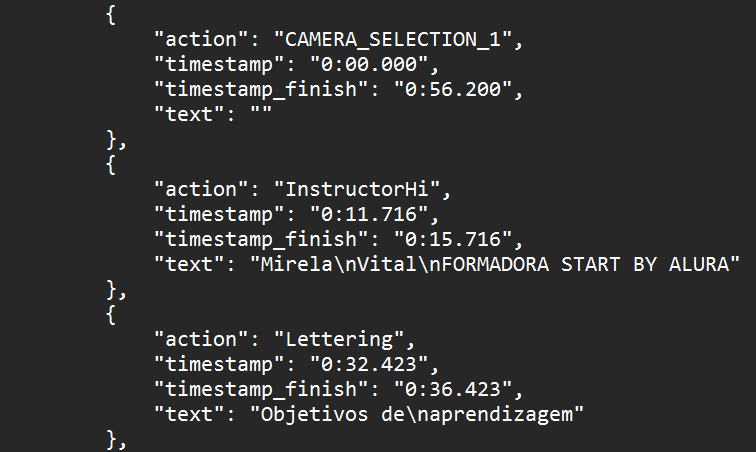
A extensão usa os arquivos JSON que é como um roteiro das edições que serão feitas no vídeo. São marcados os cortes, letterings, lowerthird e troca de câmeras.
A extensão vai então preparar os vídeos brutos, editar e inserir os assets conforme aparecem nesse roteiro em JSON O processo de edição acontece automaticamente em poucos segundos, restando apenas uma revisão e ajustes necessários nos cortes e nos assets inseridos.
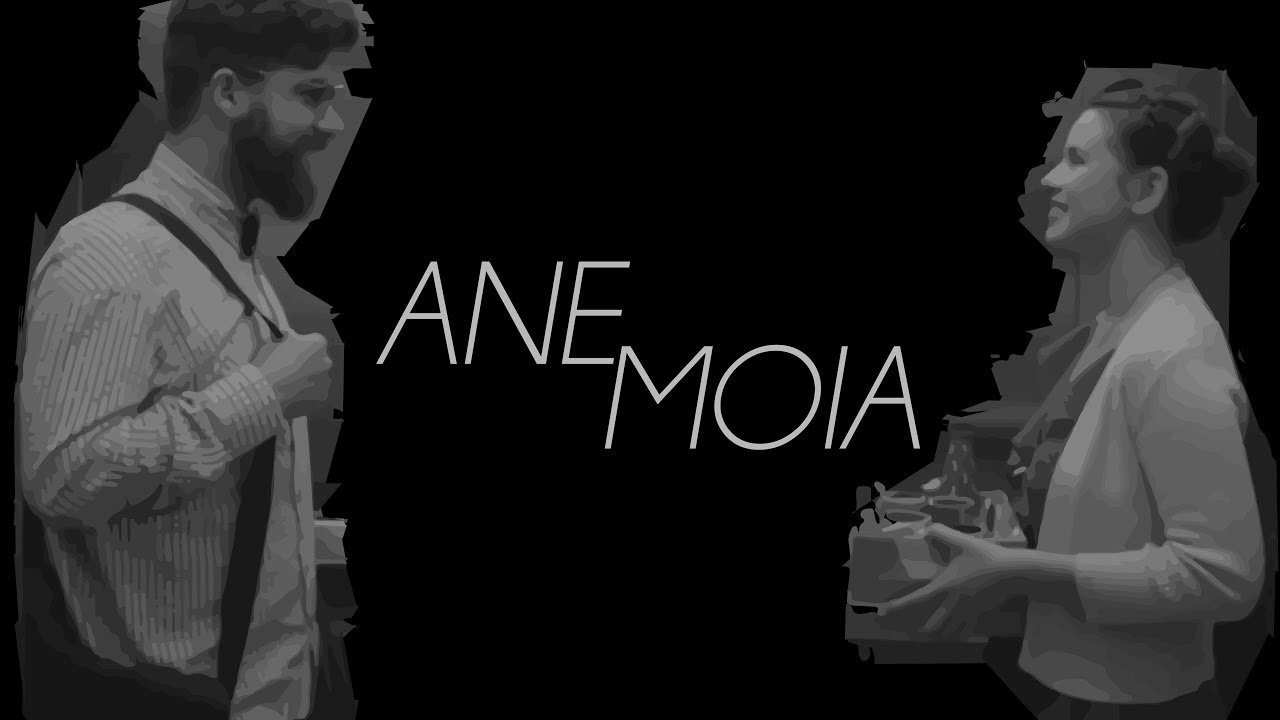
Anemoia
Anemoia é um curta metragem que traduz um sentimento obscuro através de duas pessoas perfeitas uma para a outra.
Open full page →Anotador
Ferramenta que auxilia Designers de aprendizagem e professores a sinalizar pontos de edição nos vídeos.
O projeto tem a missão de padronizar e tornar mais fácil a anotação dos pontos de edição e integração delas com o time de edição. Nesse novo formato o arquivo exportado se integraria à ferramenta do premiere pro aplicando todos os pontos que forem indicados através da ferramenta
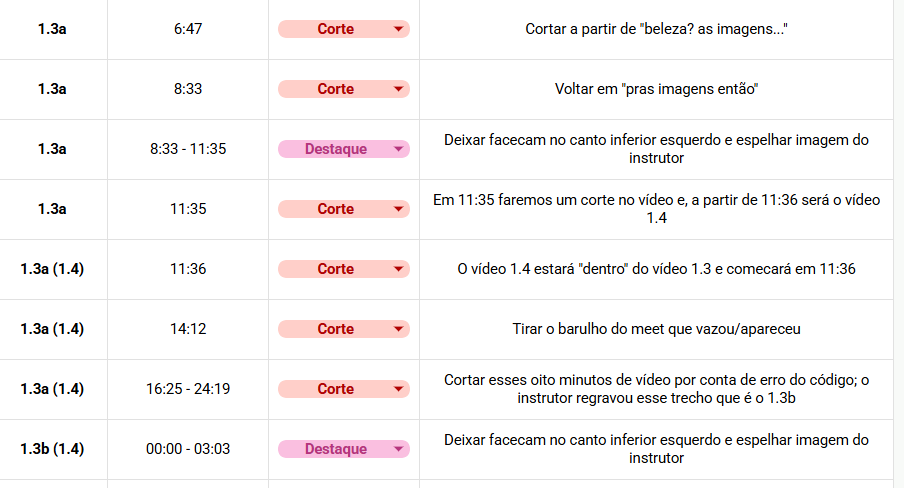
Problema O modelo atual das notas de edição já está em uso e muito bem integrado entre as pessoas Designers de Aprendizagem e time de edição. Porém esse formato ainda sofre com um problema de padronização que torna a integração com as ferramentas de fluxo de edição mais difícil. Com isso muitas vezes a ferramenta deixa de funcionar e o time de edição precisa revê-las manualmente atrasando mais o processo.
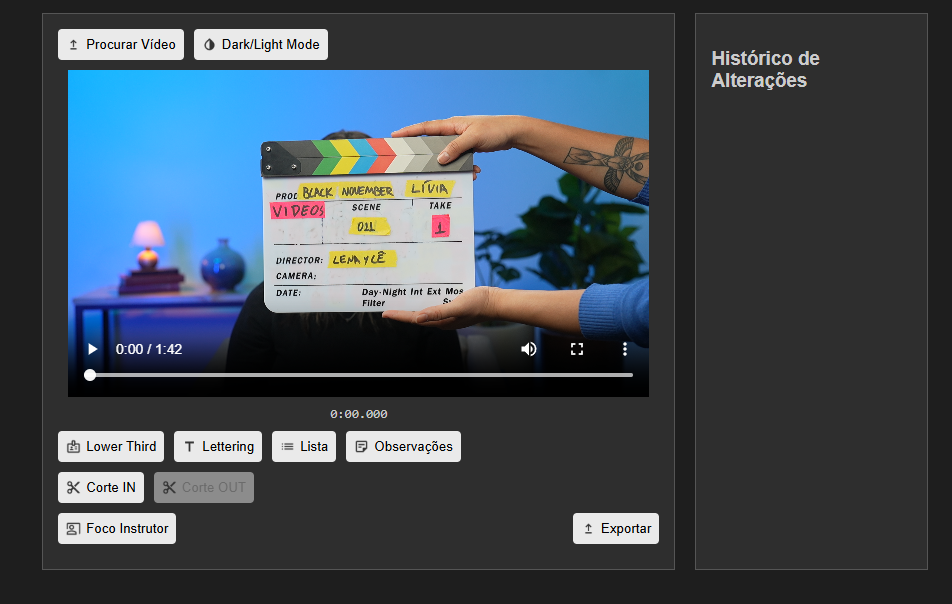
Ferramenta A proposta da ferramenta de edição visa tornar o processo de preenchimento mais intuitivo e padronizado. Na ferramenta todos as ocorrências presentes na planilha foram colocadas com botões e caixas de texto quando necessário.
Usabilidade Com o vídeo carregado na ferramenta, use-se os botões abaixo do player para anotar as ocorrências. As ocorrências que precisarem de inserção de texto abrirão um campo com para que a pessoa usuária digite. Todas as ocorrências ficam na barra lateral onde é possível excluí-las caso necessário. Por fim, ao terminar de anotar, ao clicar no botão Exportar, um arquivo .json com as anotações do vídeo será baixada para o computador nas pasta de downloads. Cada vídeo irá gerar um arquivo .json e ao final ele deve ser incluído na pasta dos brutos para o time de edição.
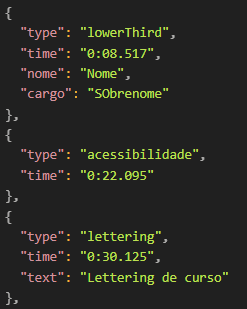
O arquivo exportado formata os pontos inseridos na ferramenta de anotação em uma série de instruções num arquivo json.
O time de edição em posse desse arquivo e dos brutos, usará uma extensão desenvolvida que aplicará automaticamente os pontos anotados na ferramenta.
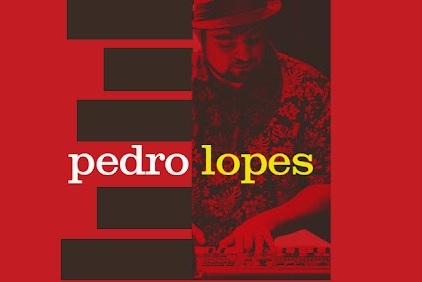
Canal Pedro Lopes
Enxoval de design para o canal do Youtube Pedro Lopes Piano
Vinheta do programa Teclado Intrometido
Vinheta do programa como funciona um teclado

Capa do canal
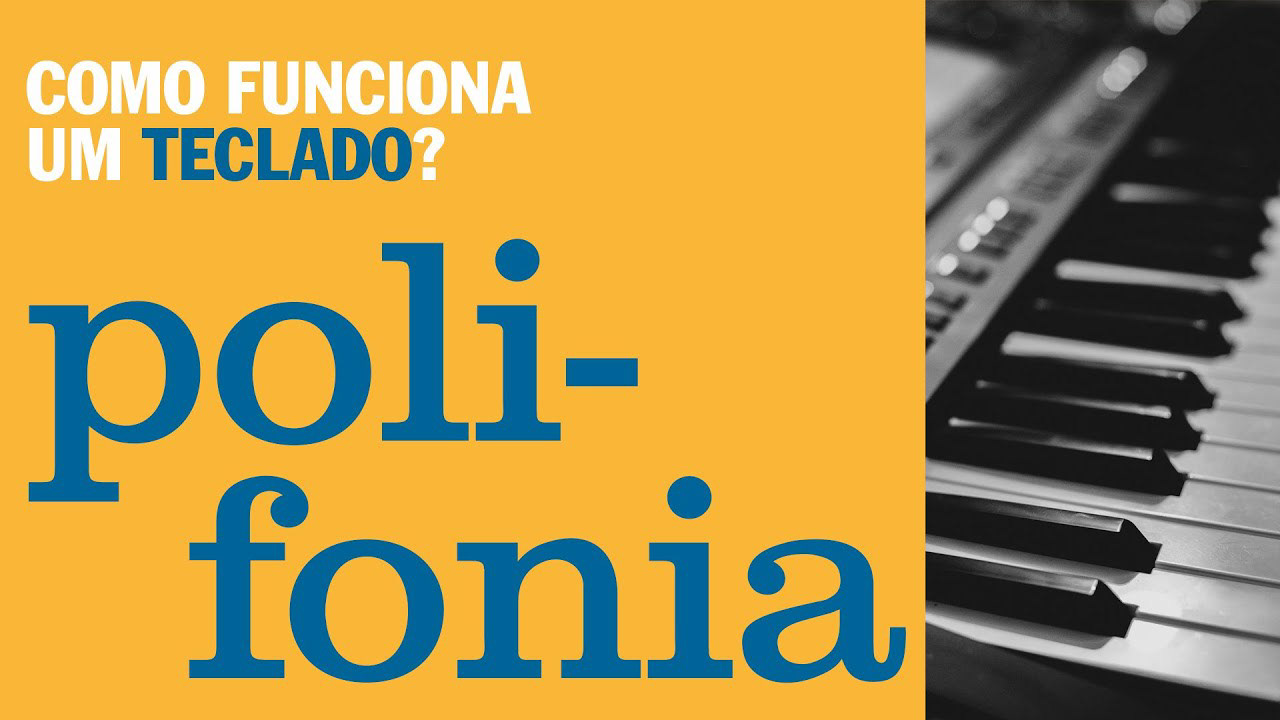
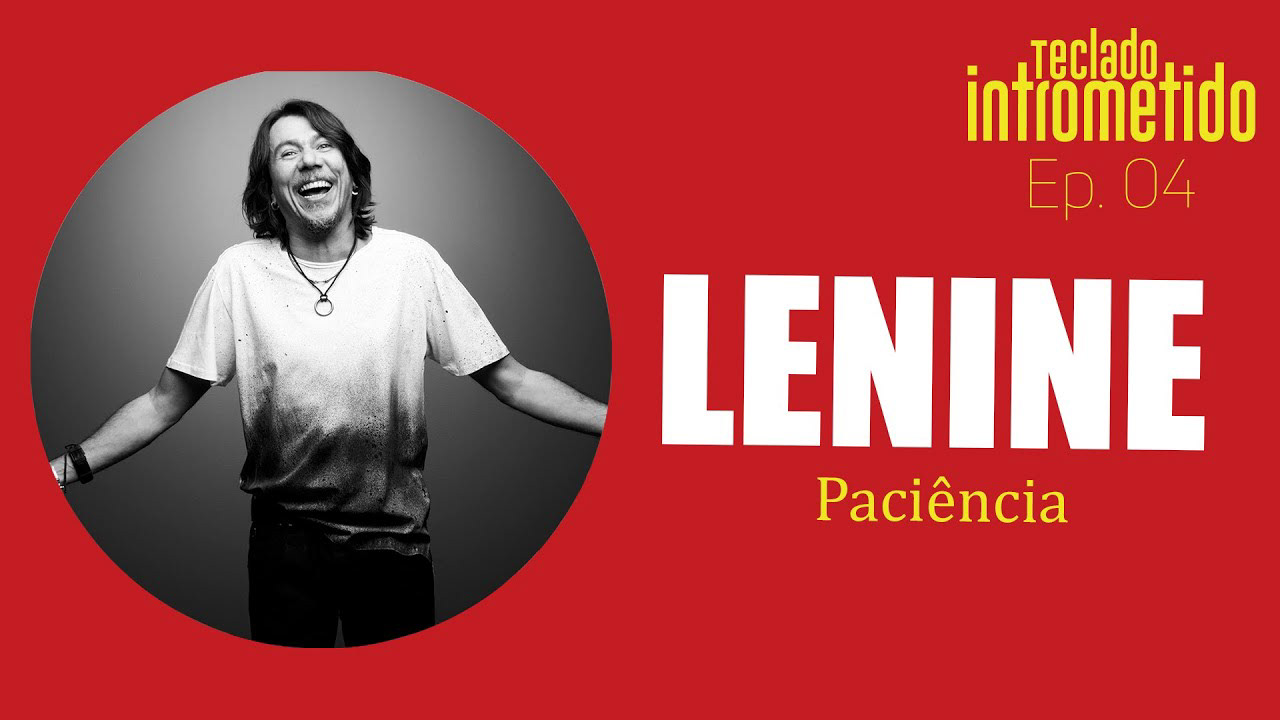
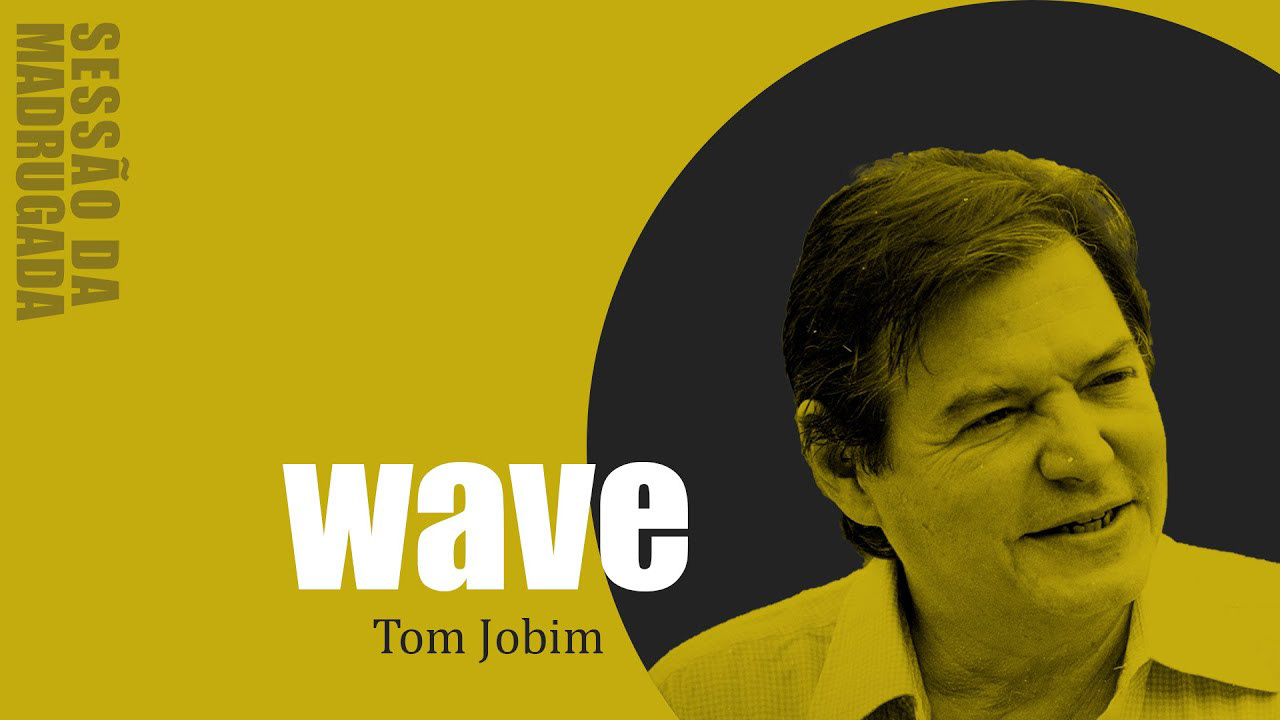

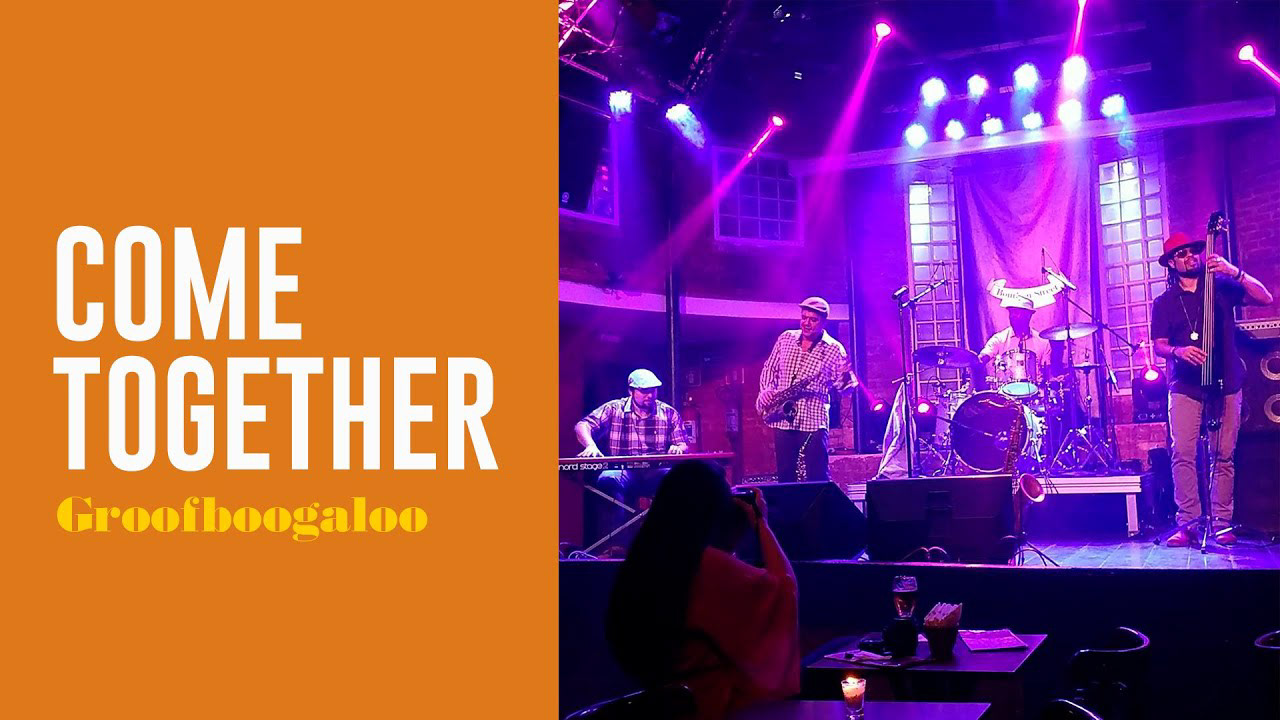
Thumbnail dos vídeos
Carreira no Exterior
Biblioteca de assets de edição para a websérie.
Hipsters Carreira no Exterior é uma websérie no canal da Alura que entrevista pessoas que trabalham com tecnologia em várias partes do mundo respondendo dúvidas comuns de quem quer entrar nessa área em outros países.
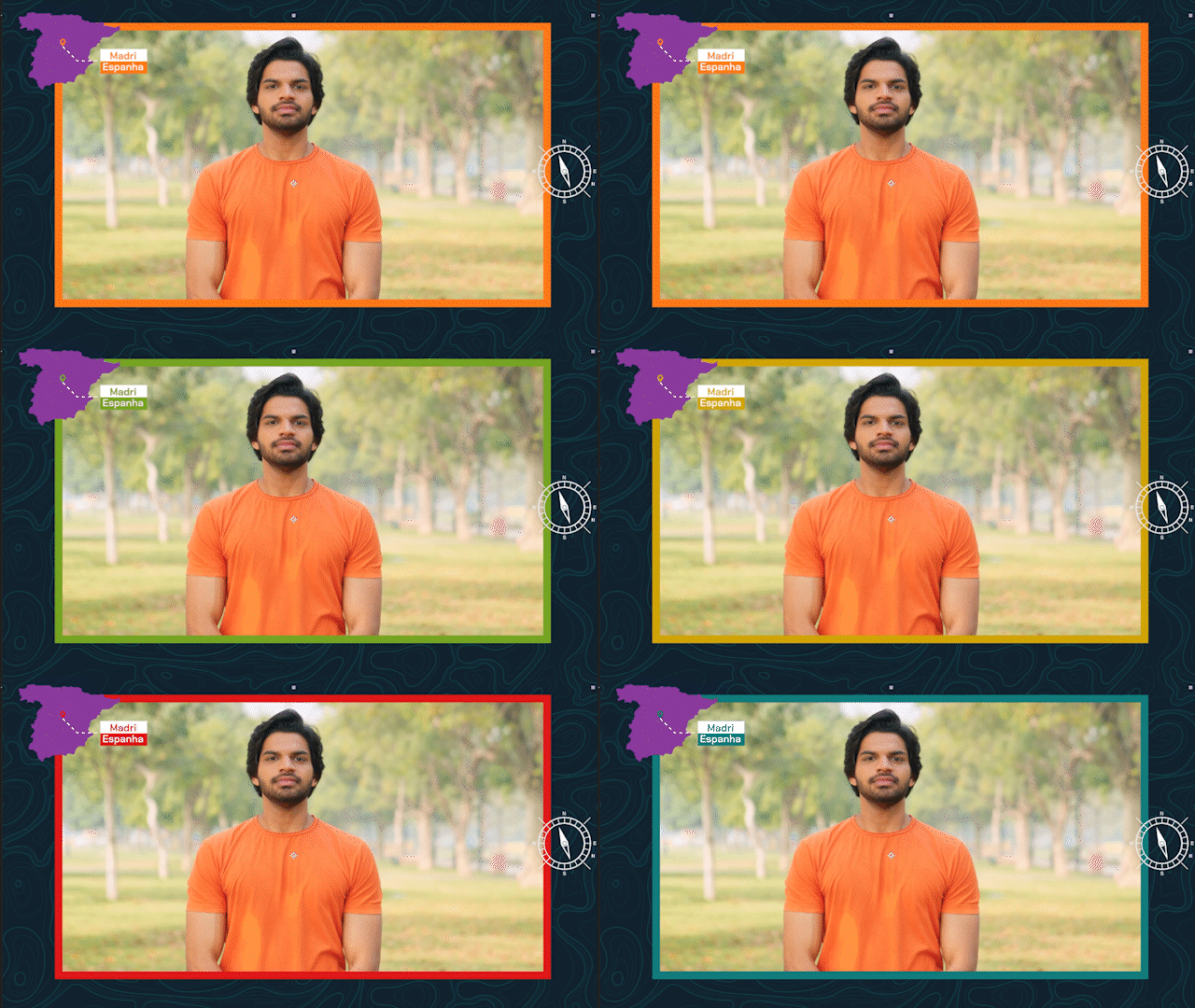



Meu papel nessa websérie foi de desenvolver a identidade visual e montar a biblioteca de assets de edição. Os desafios dessa identidade seria como atribuir uma cor para cada continente e não inflar a biblioteca com o mesmo elemento apenas mudando a cor. Para resolver esse problema fiz o uso de expressões onde a pessoa editora usaria um menu para selecionar a cor correspondente ao continente
Todos os assets são personalizáveis e adaptáveis ao tamanho do texto dando total flexibilidade para a pessoa editora modificá-los conforme a necessidade
Desvendando o discord
Biblioteca de assets de edição para a websérie.
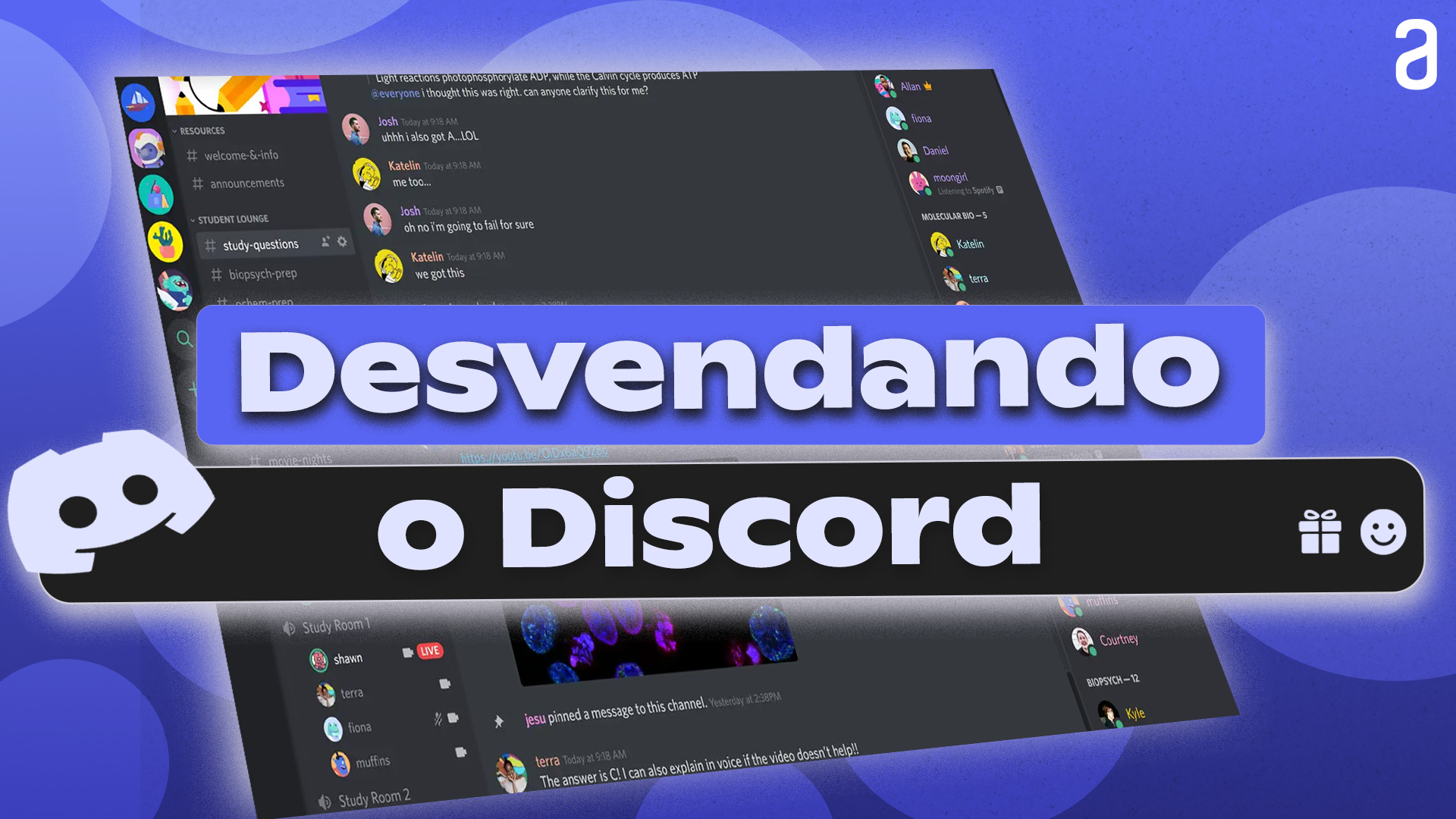
Desvendando o Discord é uma websérie no canal da Alura que explora as diversas funcionalidades da plataforma Discord que é um dos principais pontos de trocas dos estudantes da plataforma.
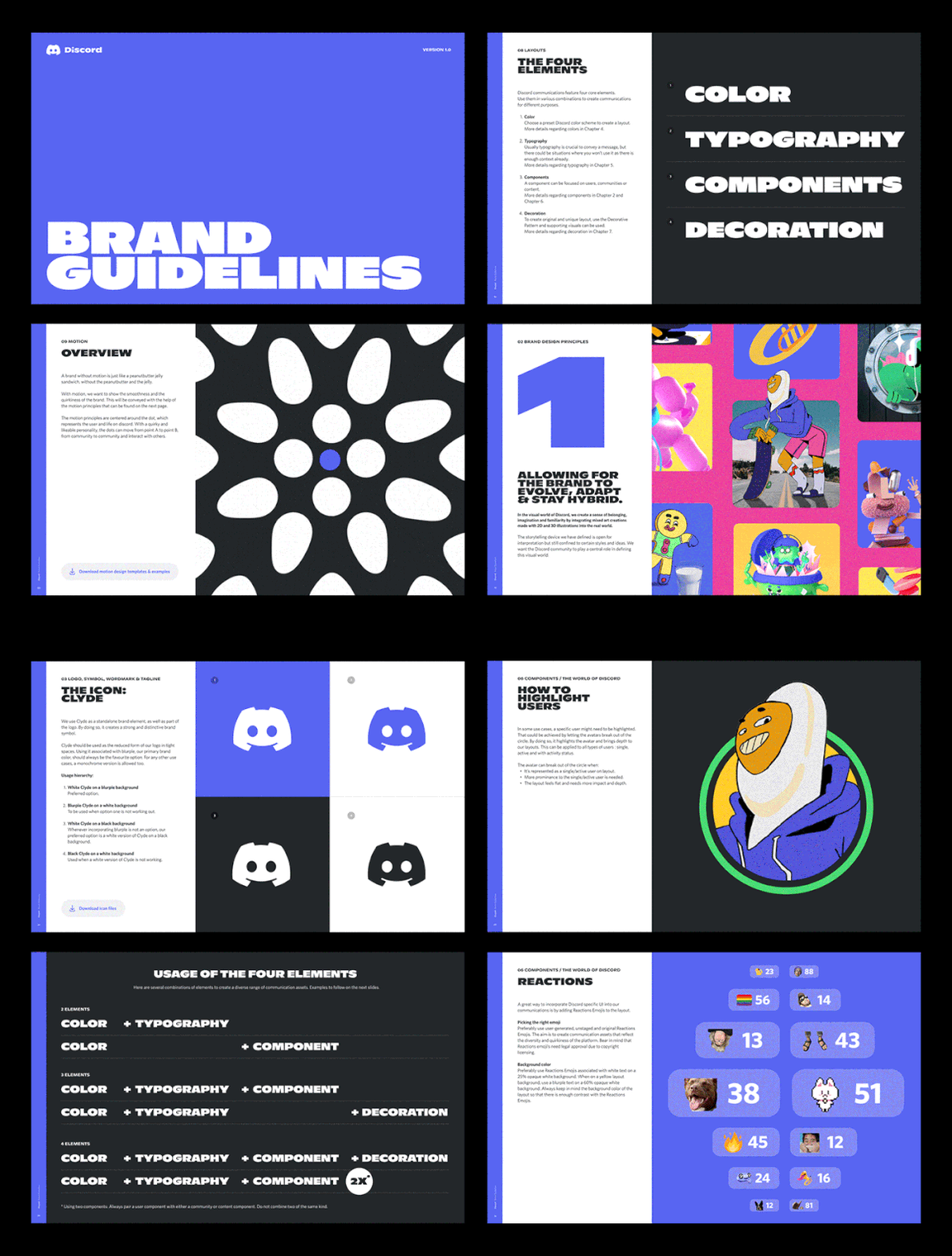
Busquei no próprio brandbook do Discord as inpirações para os elementos da identidade. A intenção é que fosse familiar para os estudantes e conversasse com o tema.
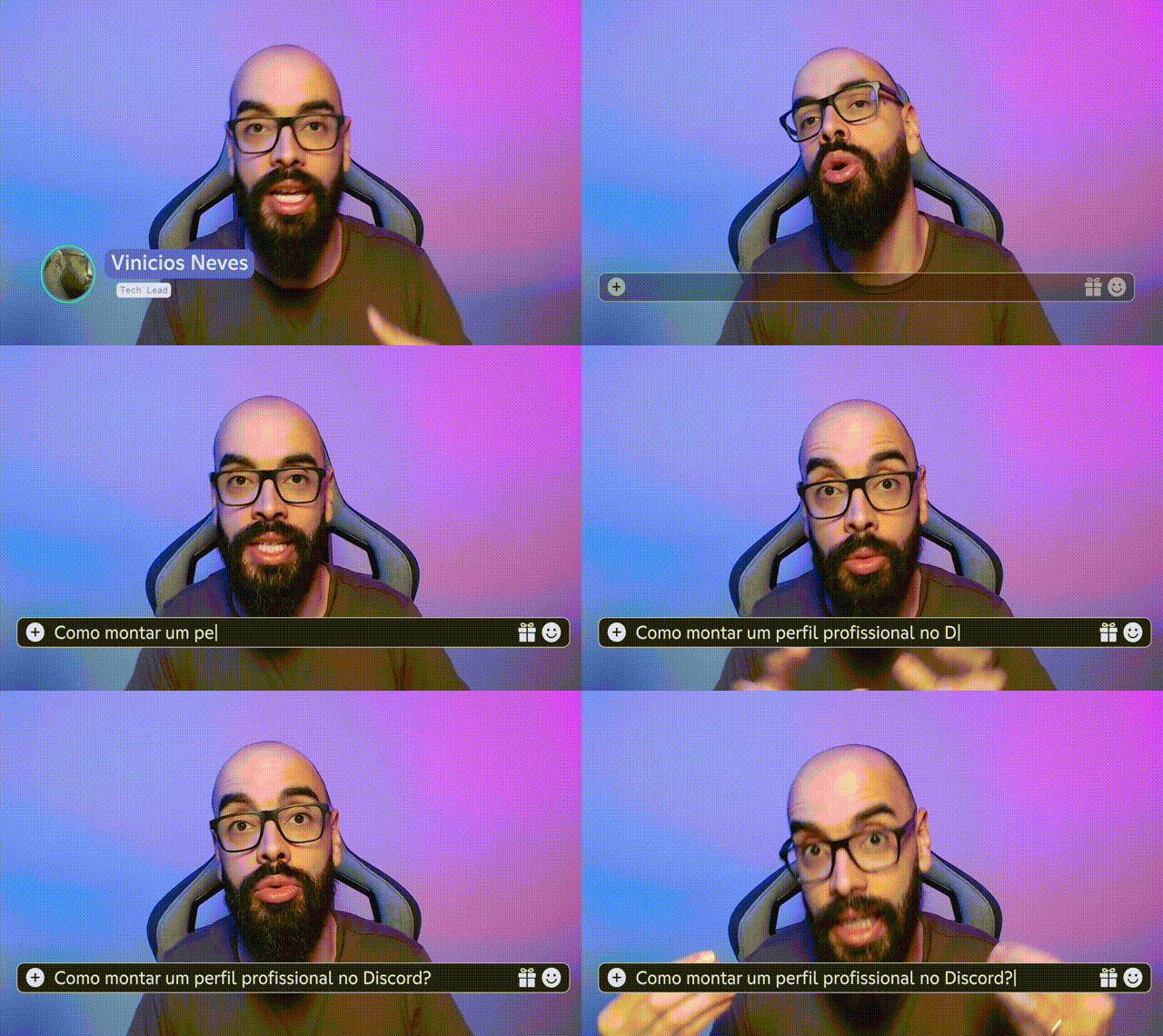
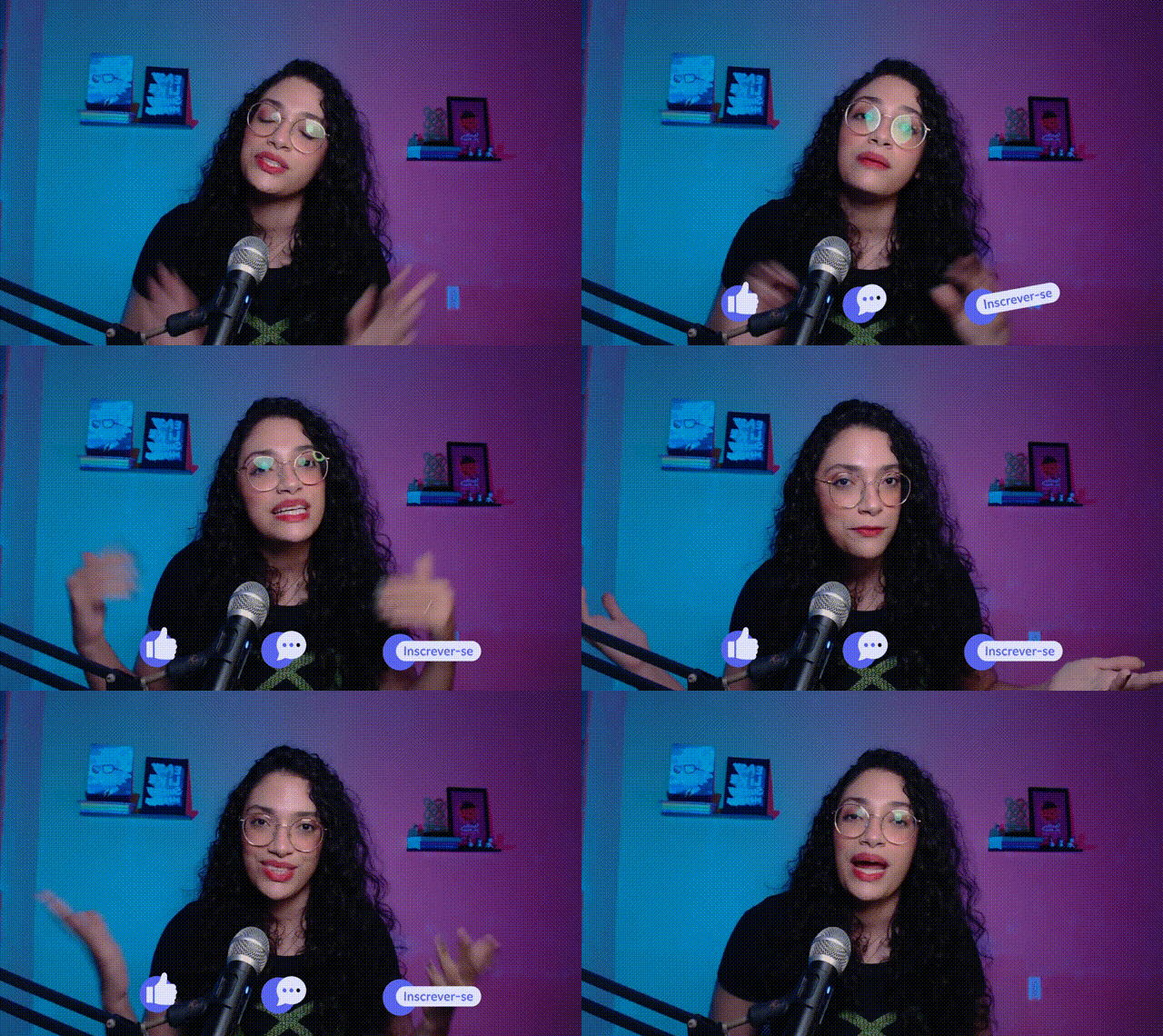
A biblioteca contou com assets básicos como lower third, letterings e CTAs. OS assets de lower third e lettering foram automatizados para se adaptarem ao tamanho dos textos, e com possibilidade de troca de imagens pela própria pessoa editora direto no Premiere. Isso permite que o processo de edição ocorra num fluxo mais ágil sem a necessidade de trocar de software parar gerar os assets.
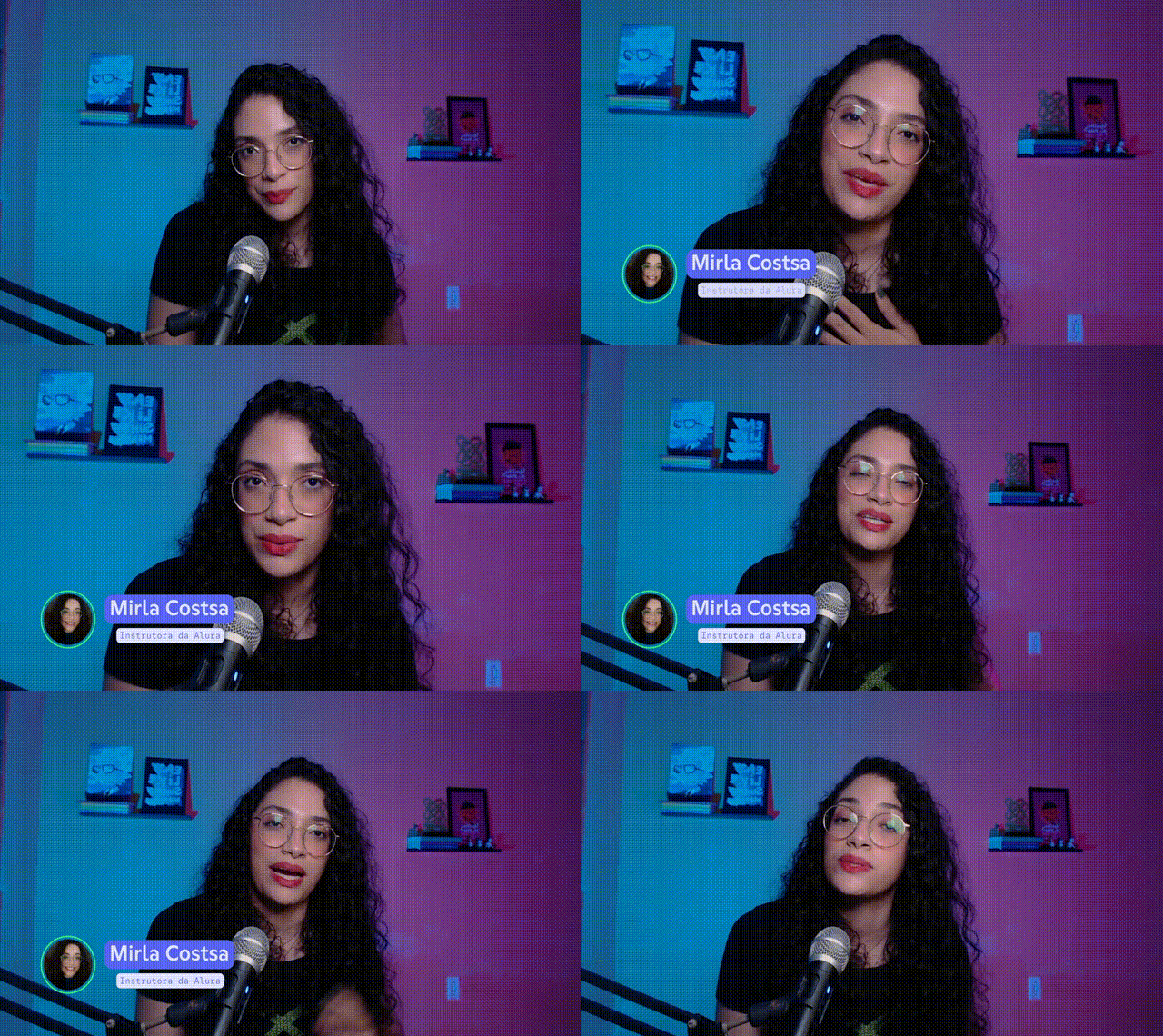
Lower Third
Letterings
CTA
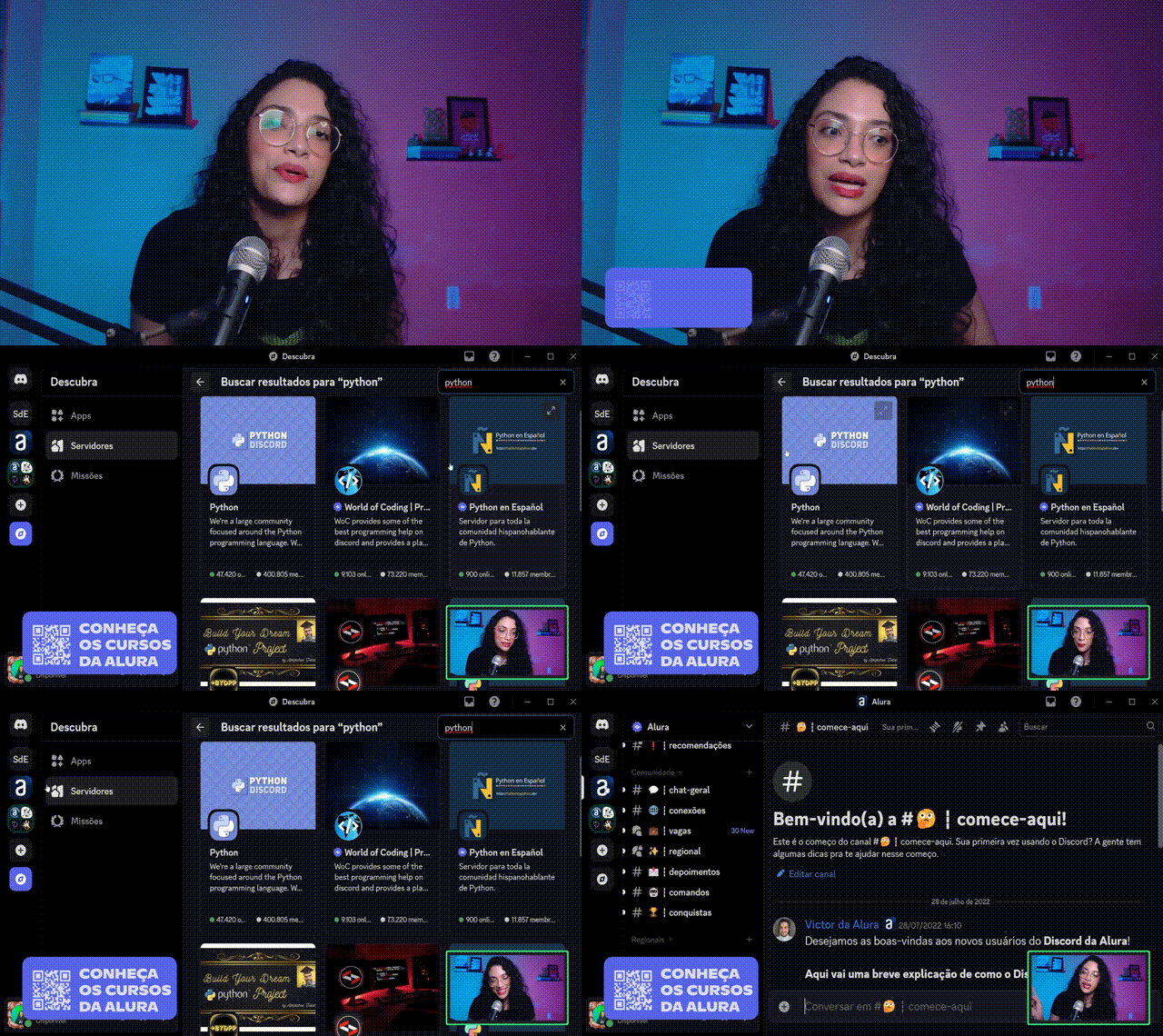
CTA Cursos
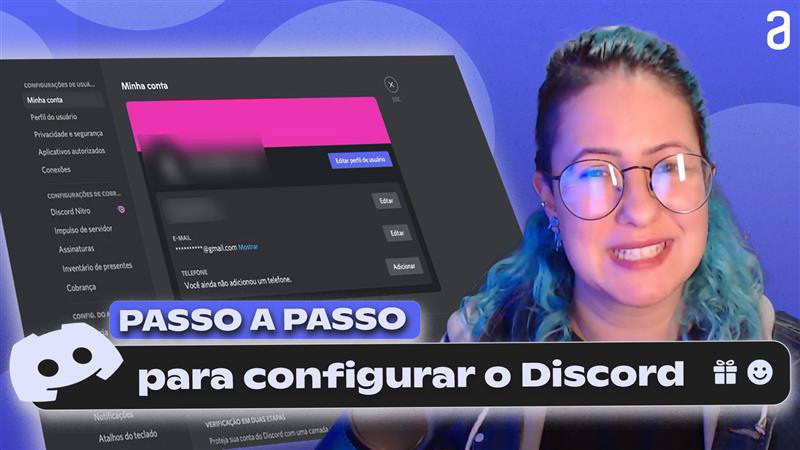
Thumbnail
Desvendando o discord
Biblioteca de assets de edição para a websérie.
Papo com especialista é uma websérie no canal da Alura que entrevista pessoas que trabalham com tecnologia dando dicas de carreira em tecnologia e ensinando pontos importantes das diversas linguagens e frameworks.
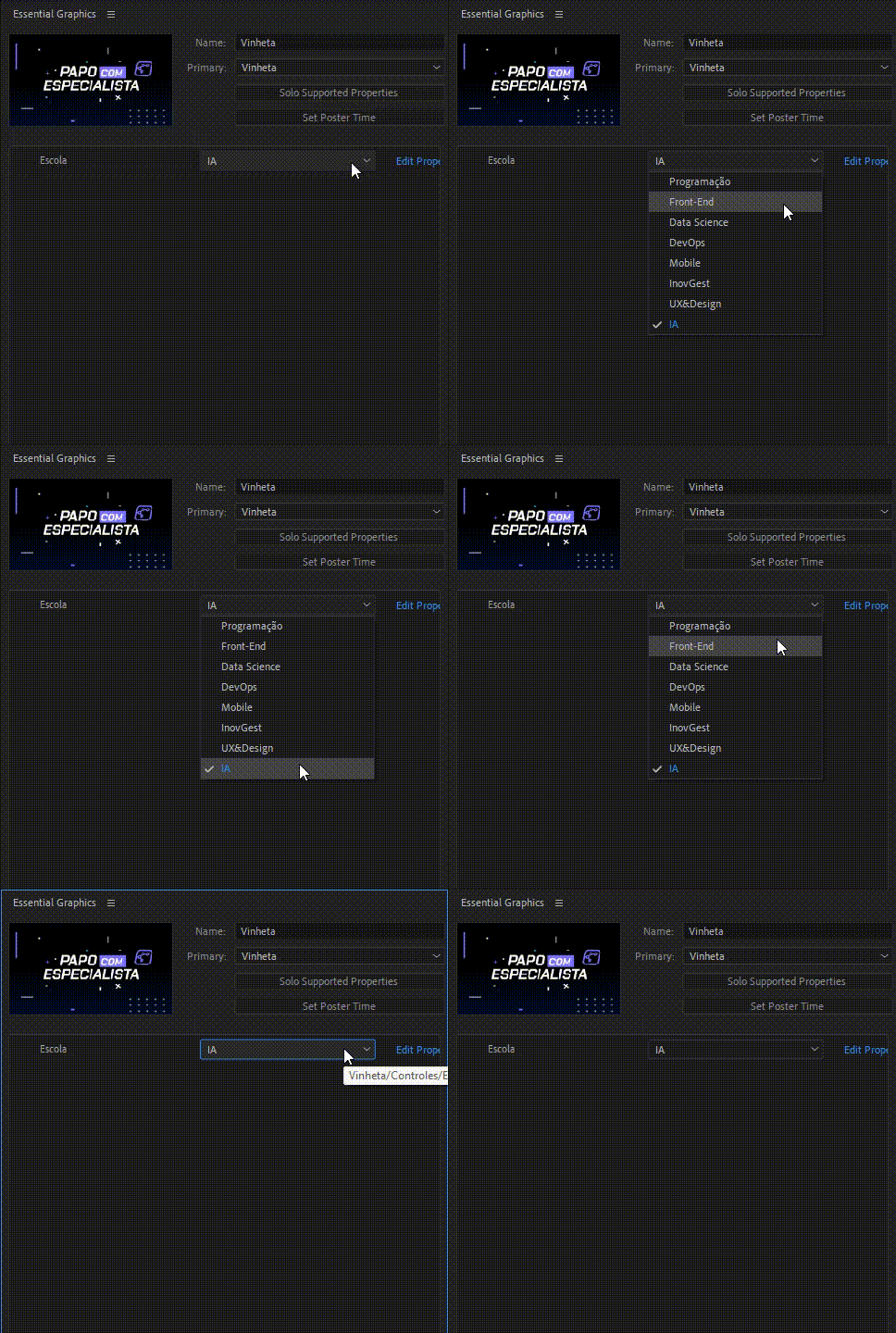
As cores dos assets de toda a ID mudam conforme a escola, essa troca de cores é feita com o uso de menus no template dos gráficos.
Assets mais complexos como o de lower thirds contam com mais controles e box responsivo com a quantidade de caracteres
Estúdio Alura
Tirando de ouvido é uma websérie com músicos tirando uma música de ouvido totalmente de surpresa, uma mistura de react com aula de música.
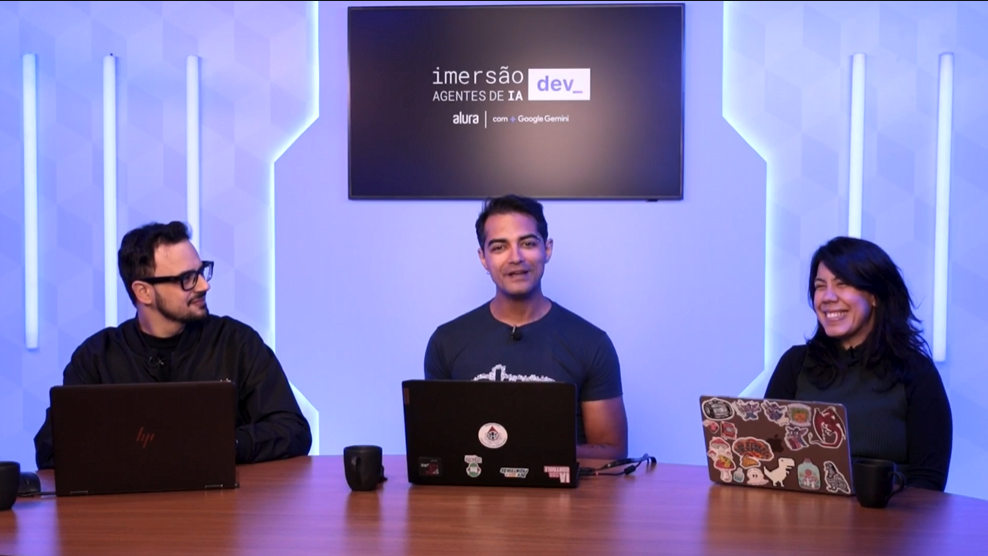
Esse projeto tinha como objetivo renovar o estúdio submarino da Alura. O estúdio submarino era usado para as gravações de imersão de ads, mas não era versátil para a gravação de outros produtos. Assim, chegou ao time de CreativeOps a missão de reprojetar o estúdio com um design alinhado a identidade visual da marca e verspatil para diversos tipos de gravações com a a dição de poucos elementos.
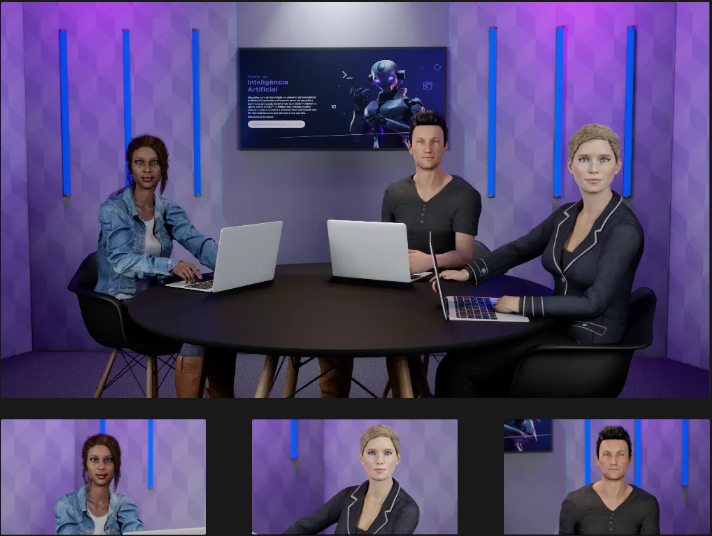
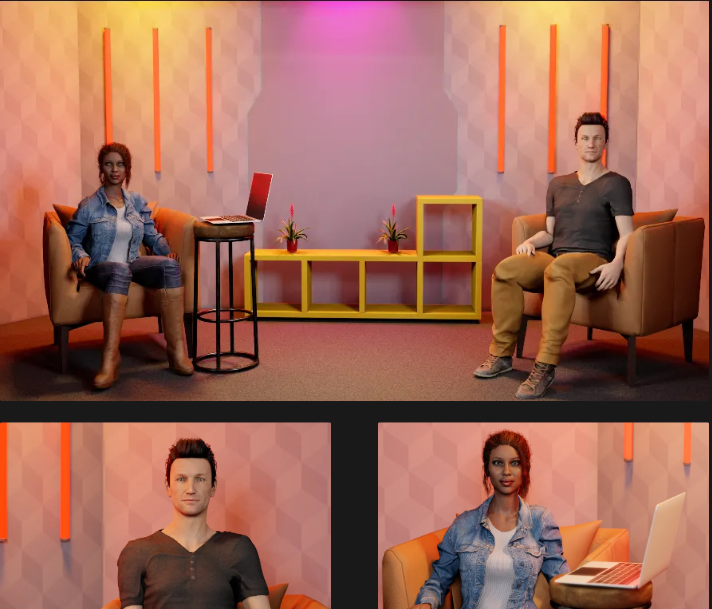
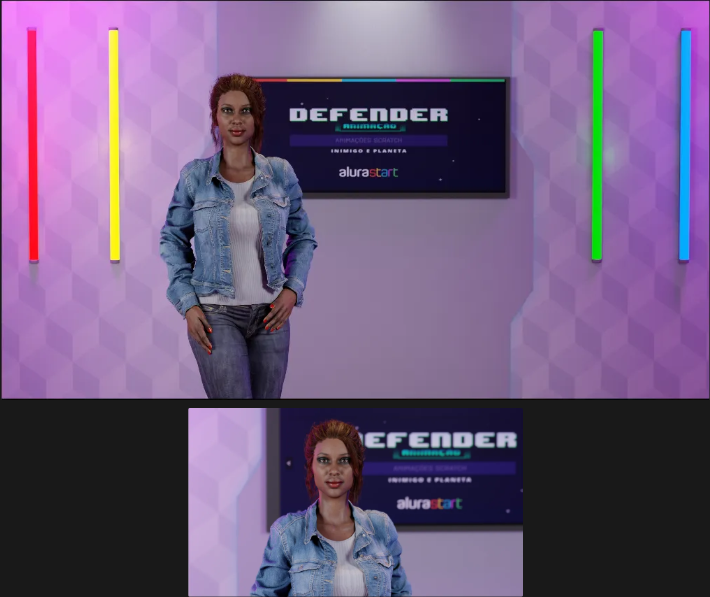
Com a colaboração dos departamentos de produção, edição e equipe de estúdio, elaboramos dinâmicas de brainstorm e análise de produtos internos e de outros canais para elaborar os elementos que tariam a versatilidade do cenário. Fui responsável por coletar e dar forma a todos os pontos levantados nessas reuniões e definir um conceito que seria mandado para a empresa que faria a montagem.
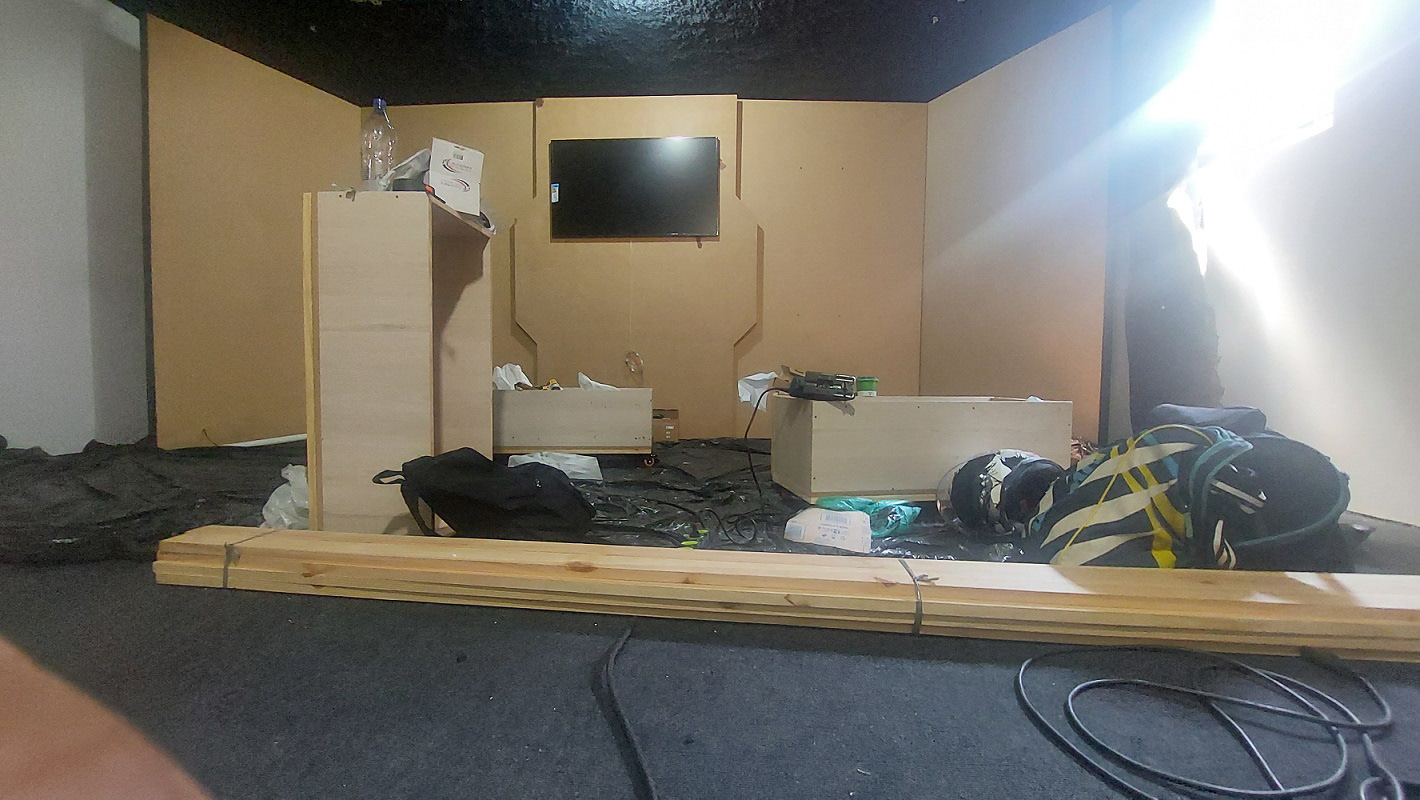
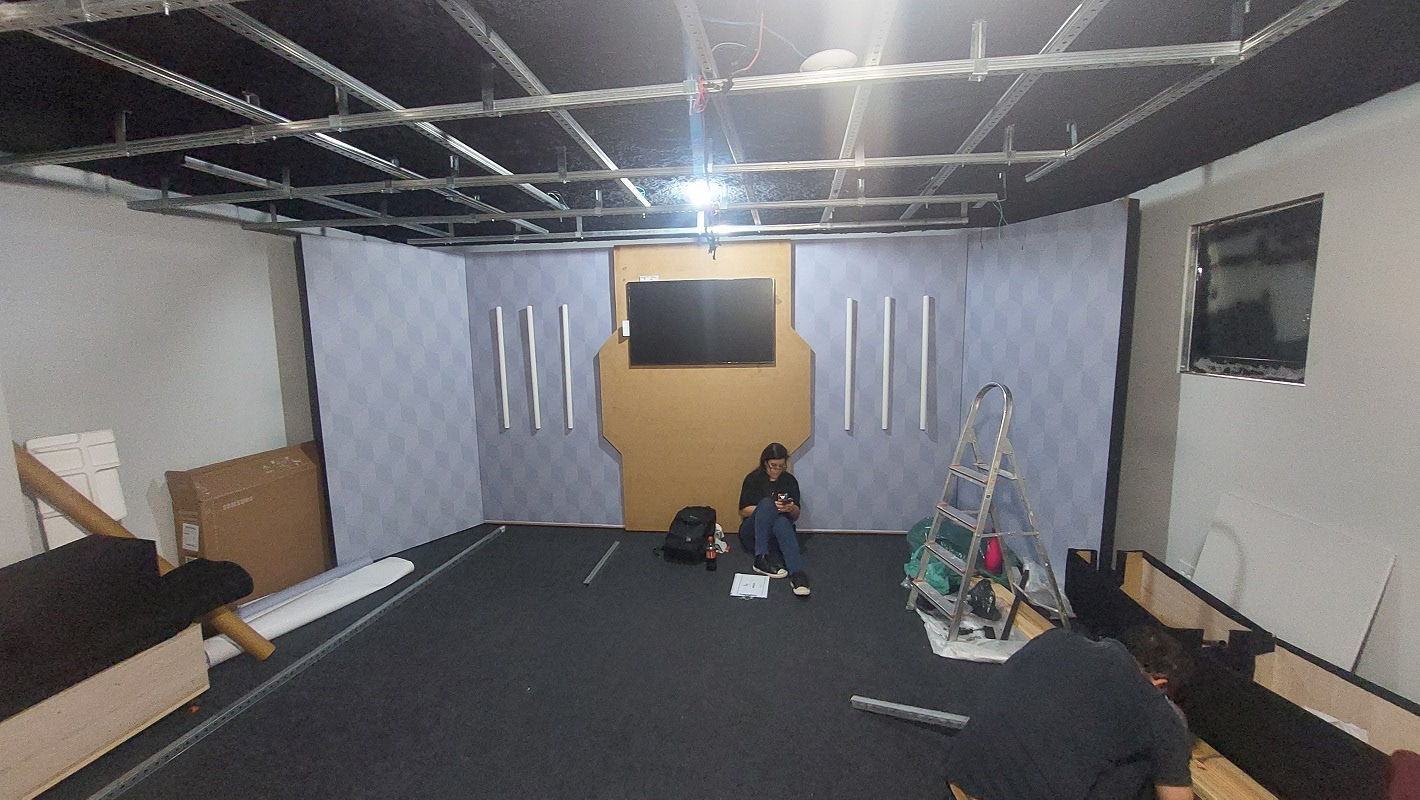
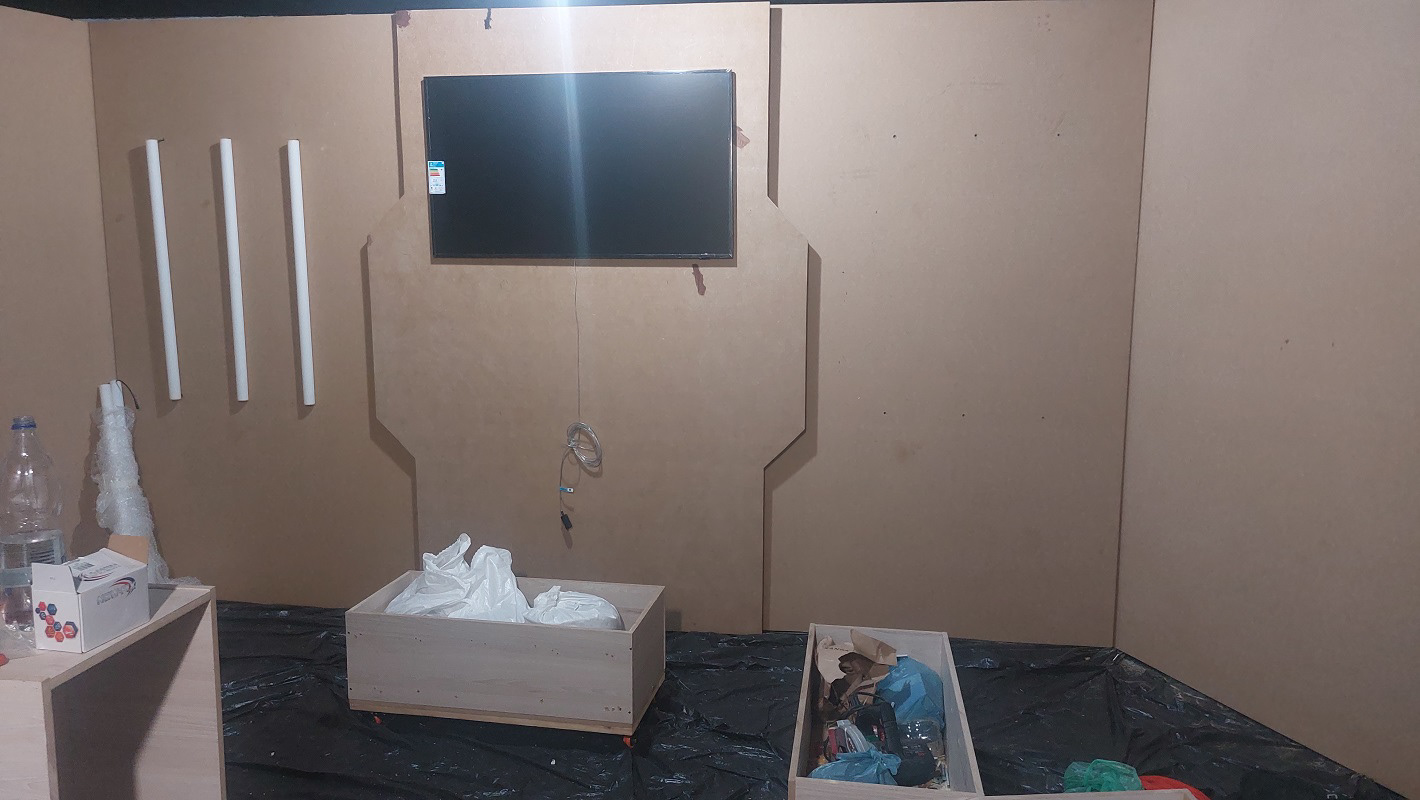
Uma empresa terceirizada elaborou o projeto final e cuidou da produção e montagem do cenário. Foram usadas placas MDF revestidas com um adesivo especial para evitar reflexos e não interferir nas cores. Os tubos ao fundo são de led RGB e também conta com uma tela de 65 polegadas. O painel central pode ser virado ao contrário caso desejase não ter a TV no cenário.
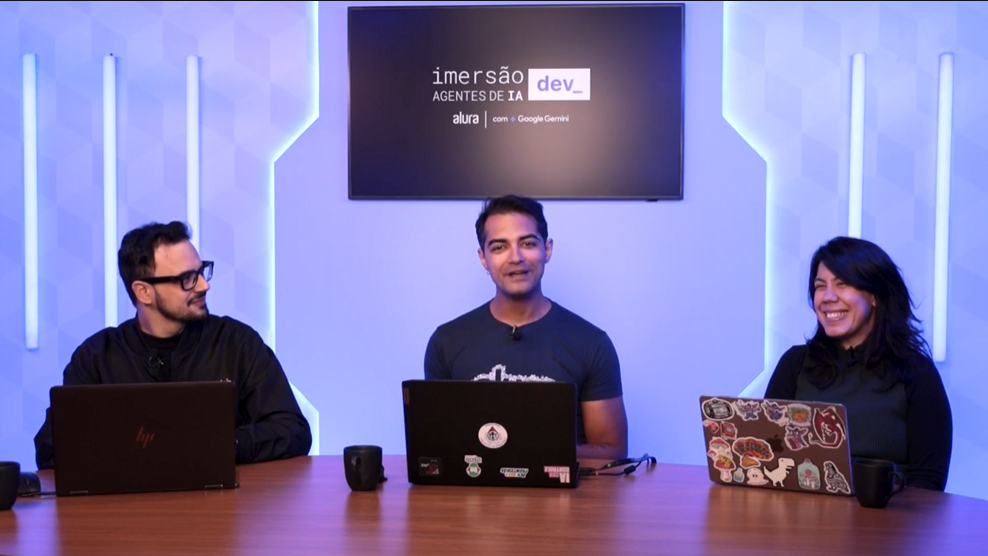
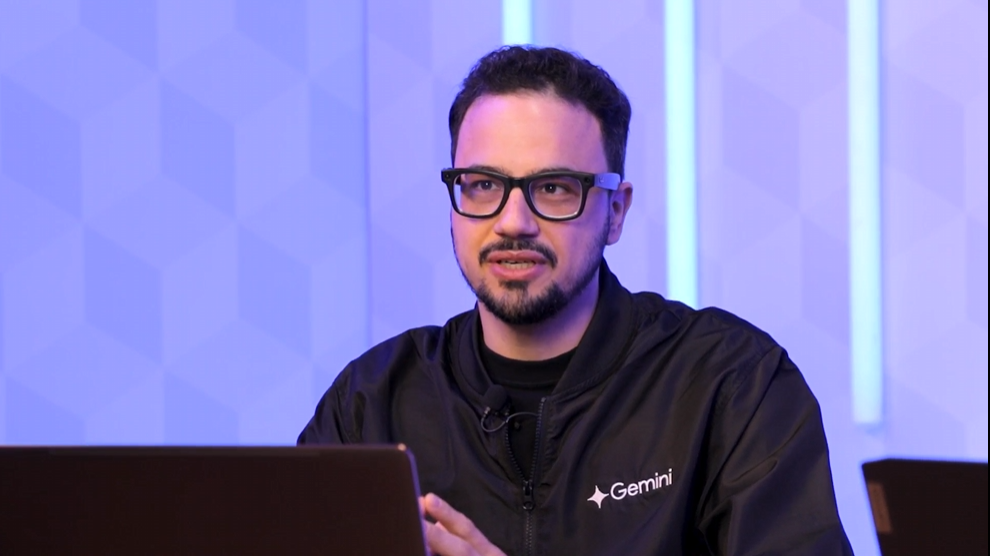
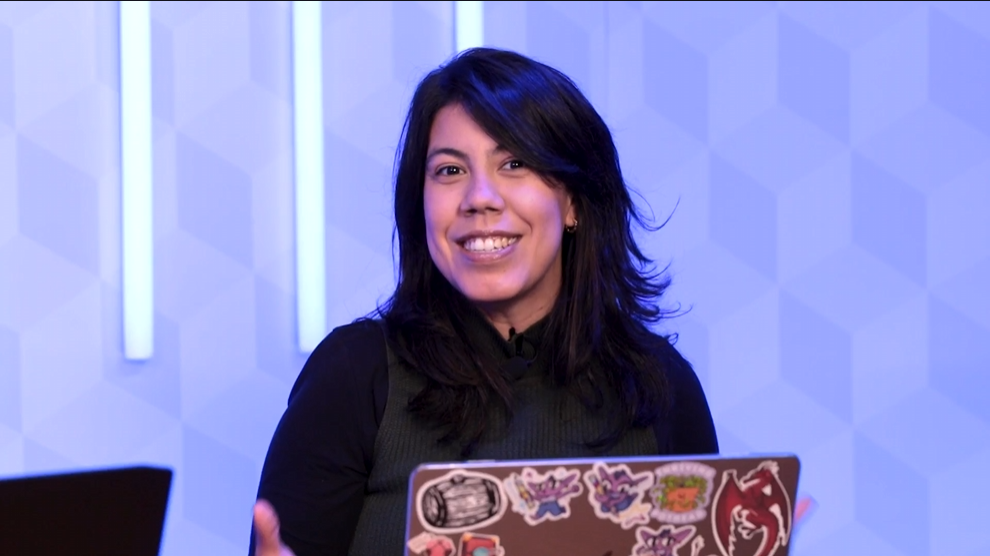
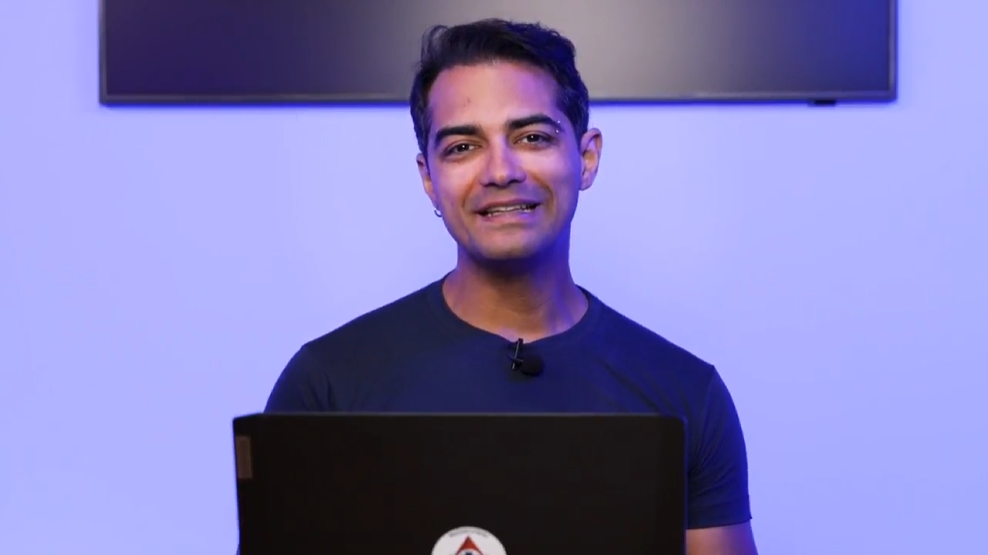
Desde a conclusão da montagem do estúdio foram gravadas mais de 10 imersões, webséries e outros produtos que já impactaram milhões de espectadores no novo estúdio. A versatilidade e modularidades que eram os requisitos principais do projeto foram alcançados e o esforço conjunto de todos os times possibilitaram chegar em um resultado semelhante ao que foi planejado.
Ferramentas Premiere Pro
Ferramentas de automação para o Premiere Pro adaptadas ao fluxo de edição de conteúdos para a Alura
Open full page →Fluidez
Curta metragem realizado em tomada única exibido no festival Super Off 2017.
Open full page →Líderes em TI
Biblioteca de assets de edição para a websérie.
Hipsters Líderes em TI é uma websérie no canal da Alura que entrevista lideranças em times de tecnologia de grandes empresas para contar como foi o processo para chegar lá e como é a rotina dessas pessoas.
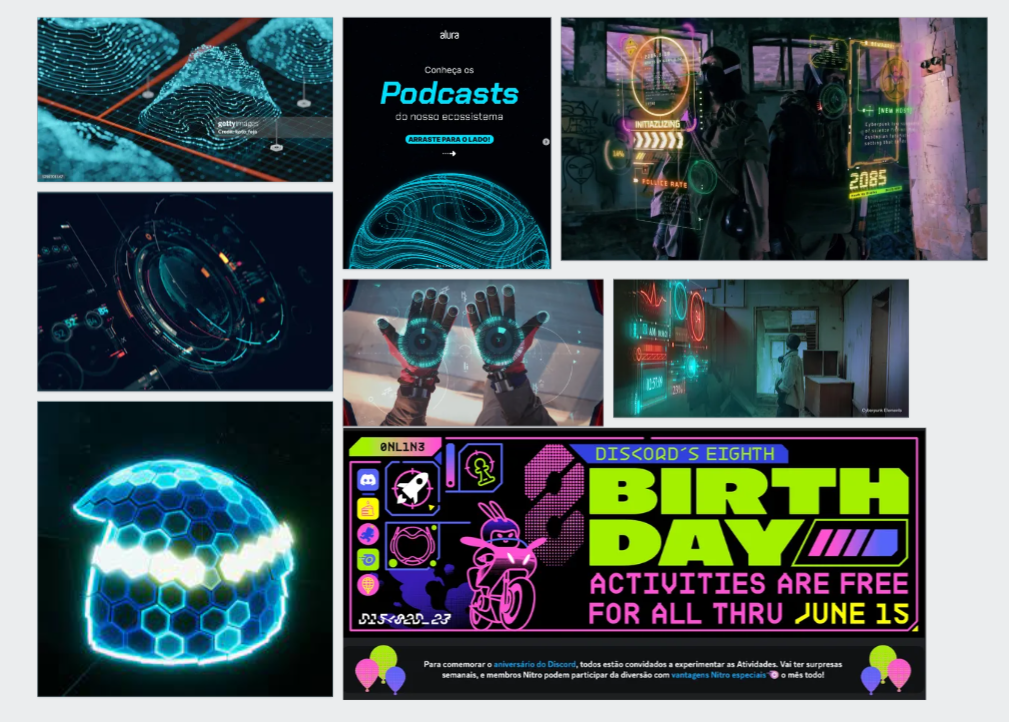
Busquei a temática neon e cyberpunk que faz parte da identidade da Alura, e junto a isso queria criar uma ideia de Holograma, Displays interativos e Heads on Display.
Busquei incorporar elementos 3D junto aos hologramas para amplificar a ideia de futurismo. Conforme as referências também utilizei as cores azul e laranja e animações semelhantes aos displays interativos encontrados em filmes de ficção científica.
Lowerthird
Lettering
CTA
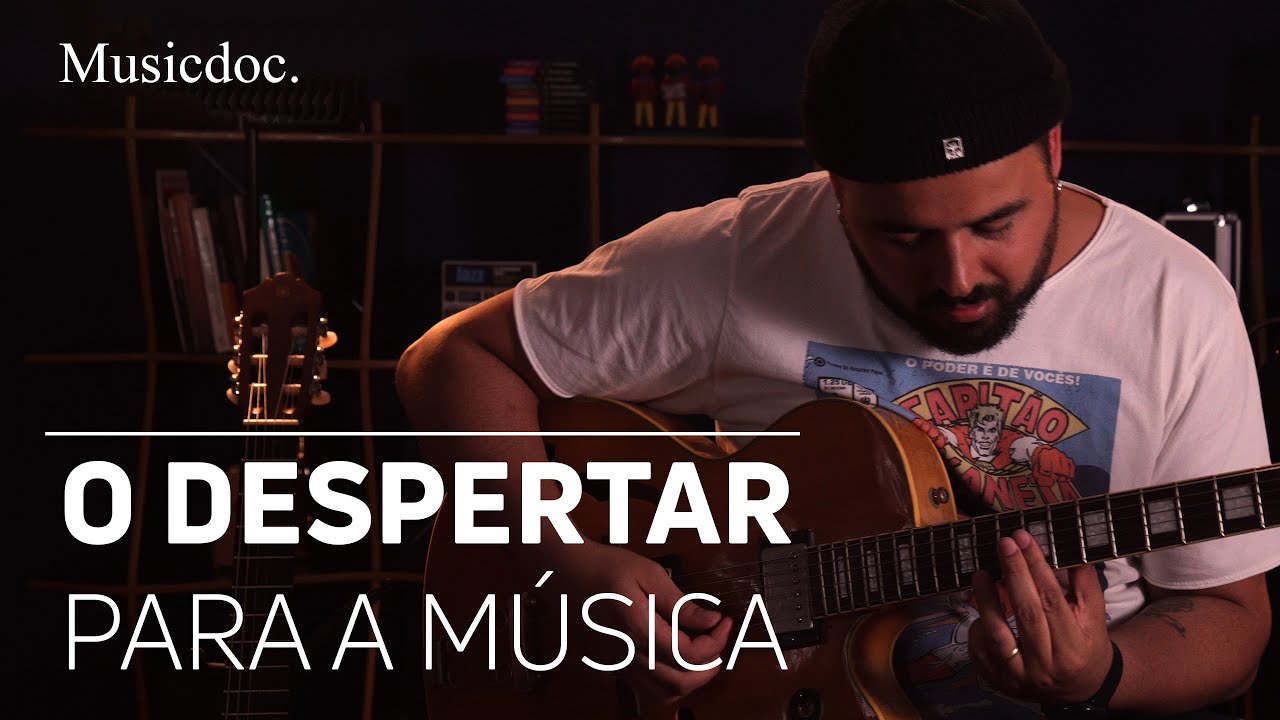
Musicdoc
Musicdoc. é uma websérie com entrevista e performance musical com os professores da Musicdot.
Open full page →O avesso do Bordado
Curta metragem realizado em tomada única exibido no festival Super Off 2024. Vendedor do prêmio Super Menção Honrosa 2024 - 11° SuperOFF
Open full page →Tirando de ouvido
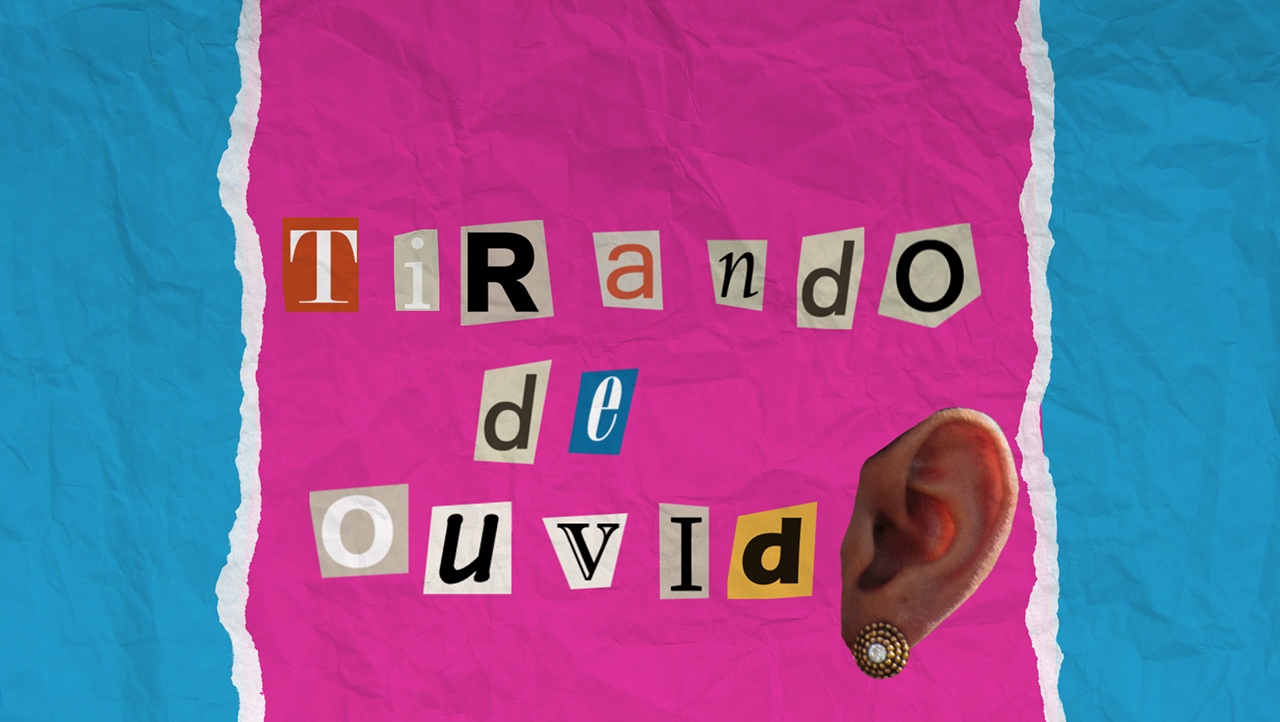
Tirando de ouvido é uma websérie com músicos tirando uma música de ouvido totalmente de surpresa, uma mistura de react com aula de música.
Open full page →Tirando de ouvido (Temporada 2)
Biblioteca de assets de edição para a websérie.
Tirando de ouvido é uma websérie com músicos tirando uma música de ouvido totalmente de surpresa, uma mistura de react com aula de música. Nesse projeto eu fui responsável por toda a produção do programa inclusive a identidade visual.
Abertura do programa
Lower Thirds
Transição 1
Transição 2
Músicos Essenciais
Músicos Essenciais é um programa de entrevistas com músicos renomados e novos talentos falando de vida, carreira e com incríveis jam sessions.
Open full page →